Neurapix

Photo: Vincenzo Ingrassia
Vincenzo Ingrassia is a luxury wedding and portrait photographer based in Italy, known for combining cinematic storytelling with refined composition. With a background in Humanities and a deep connection to art and literature, he approaches photography as a narrative medium. In this interview, Vincenzo shares how he built a high-end brand, how structured workflows and AI support his creativity, and why efficiency is key to artistic freedom.

Photo: Vincenzo Ingrassia
What kind of photography do you do and how did you get to where you are today?
I am a professional wedding and portrait photographer based in Italy, working mainly in the luxury and destination wedding market. Photography is not just my profession, it is my language.
My journey began with a deep love for storytelling, literature, cinema, and classical art. With a degree in Humanities, I naturally approach images as narratives rather than just visuals. Over the years, I built a studio focused on high-end weddings, working with international clients and being featured in magazines like Vogue and Elle.
I have also had the opportunity to teach workshops for professional photographers. What shaped my career most is not only technical growth, but emotional depth. For me, weddings are layered stories of human connection, and my goal is to create timeless, cinematic images filled with authentic emotion.

Photo: Vincenzo Ingrassia
How have you optimized your workflow in recent years?
In recent years, workflow optimization has become a strategic priority. As my business grew, I realized that efficiency directly supports creative freedom.
I started by refining my shooting approach, ensuring consistent exposure, lighting, and color in-camera. Then I built structured systems, including clear organization, preset refinement, consistent culling logic, and defined delivery timelines.
The biggest breakthrough came with AI editing. Integrating Neurapix allowed me to dramatically reduce editing time while maintaining my signature style. Instead of starting from scratch, I now work from a consistent base and focus on refinement.
This has enabled faster delivery, increased capacity, better client experience, and more time for personal projects and education. My workflow today is based on a simple idea: technology should support creativity, not replace it.
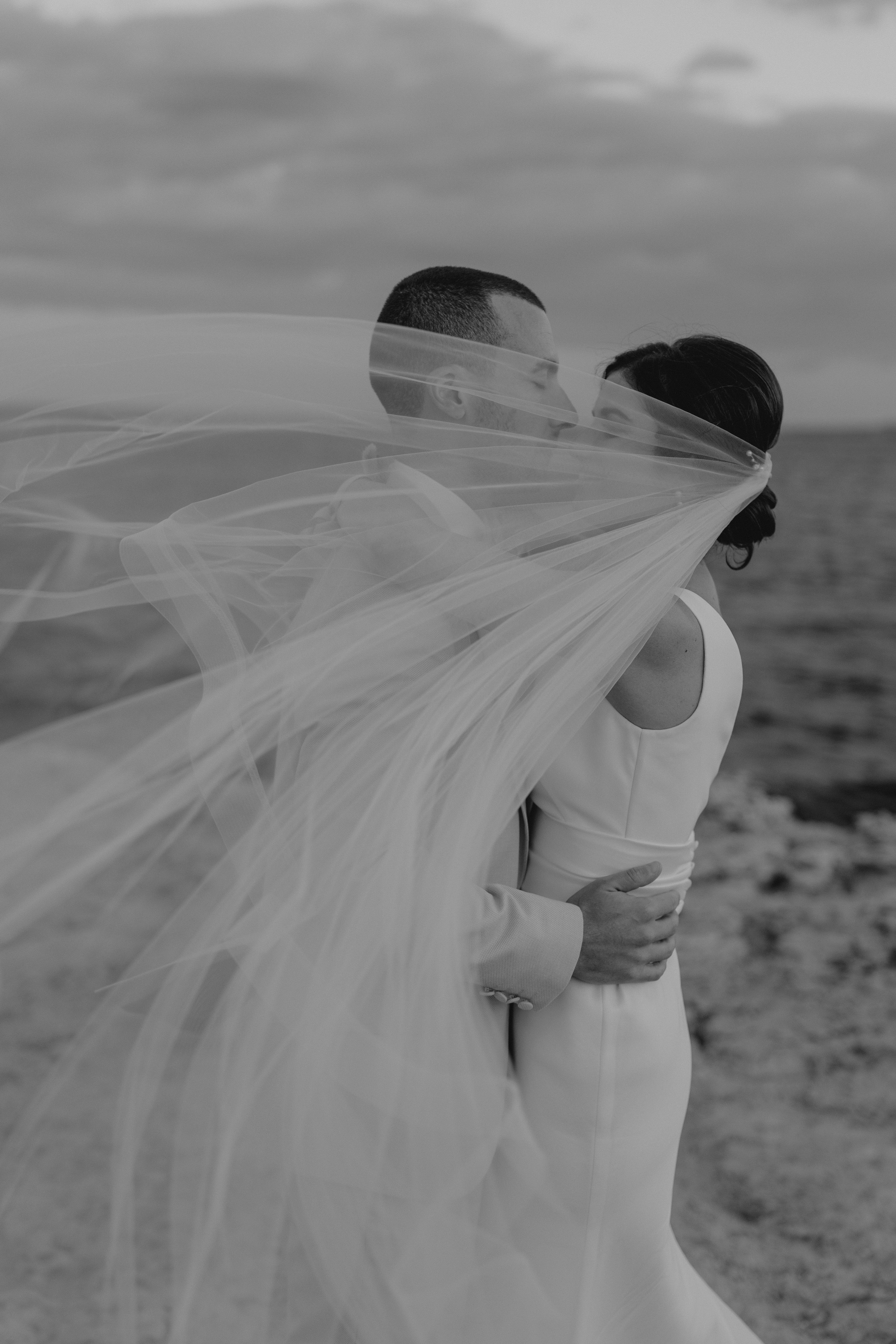
Photo: Vincenzo Ingrassia
What general tips do you have for other photographers?
First, master your fundamentals. Strong composition, light, and emotional awareness are essential. Second, build structured systems. Organization creates freedom and reduces stress.
Third, protect your energy. Optimize your workflow to work better, not just more. Fourth, define your style before automating it. AI works best when your visual identity is clear.
Finally, never stop evolving. Study, experiment, and grow both artistically and professionally. In the end, photography is about preserving memories with intention, integrity, and emotion.

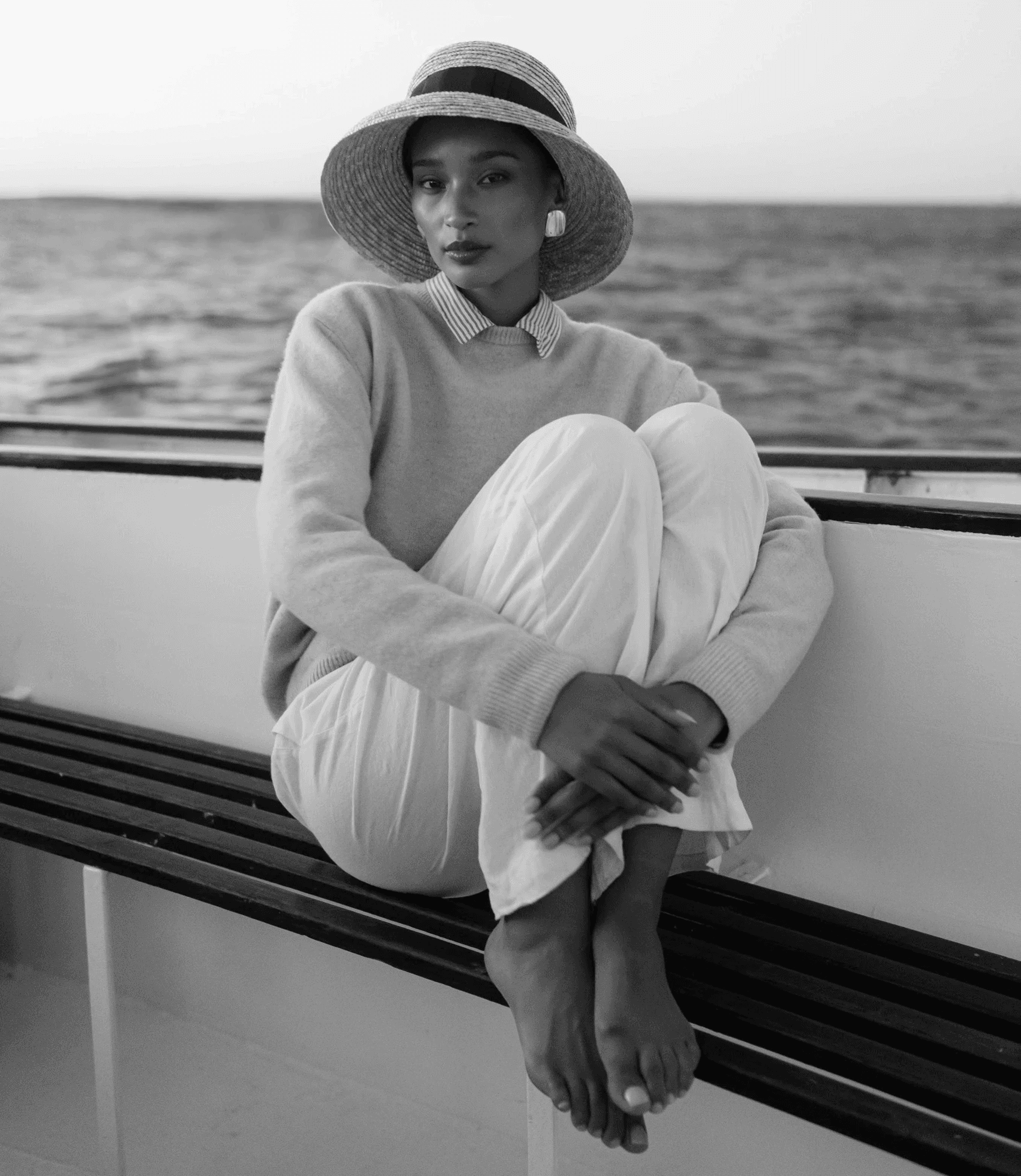
Photo: Vincenzo Ingrassia
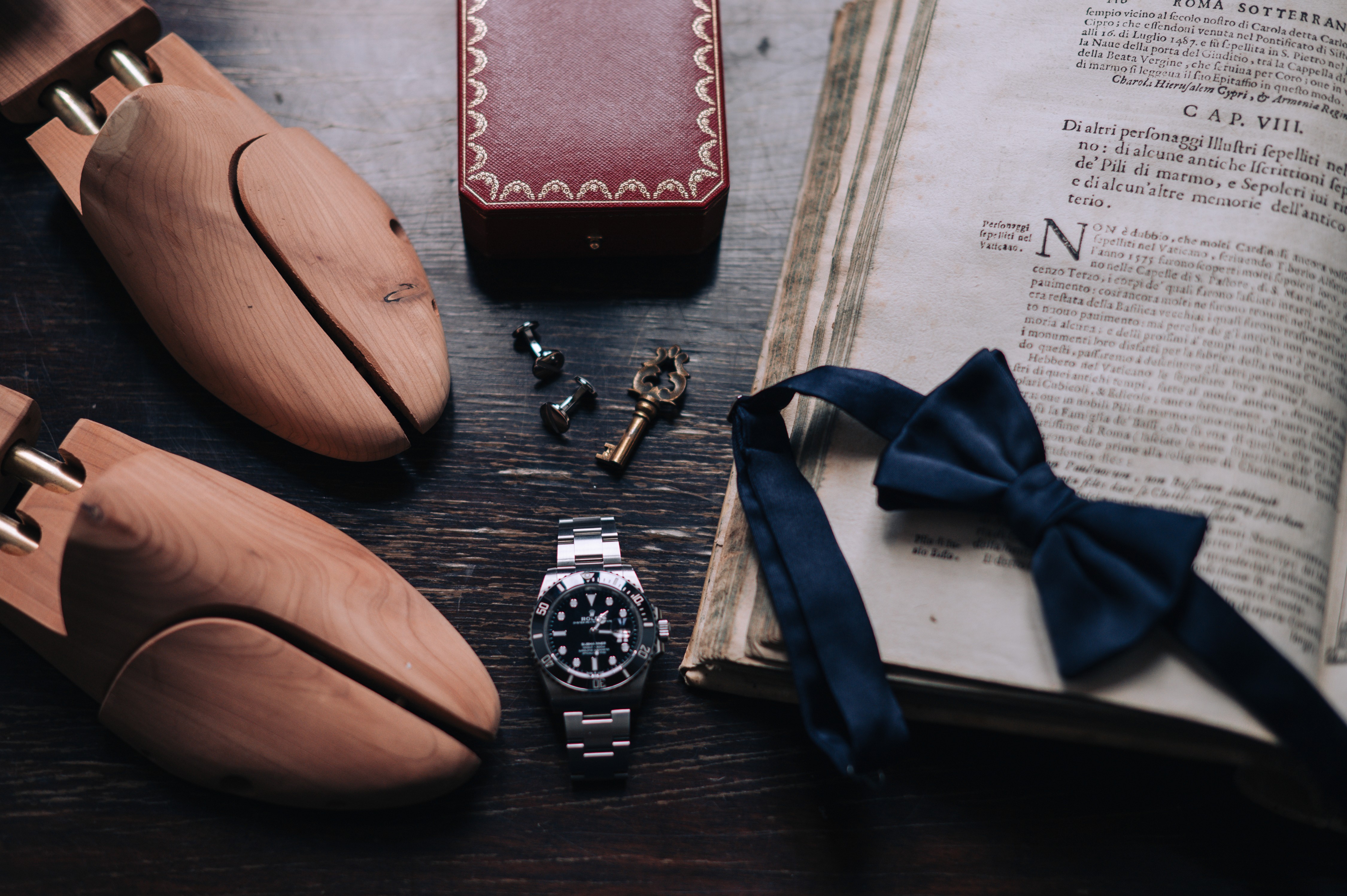

Neurapix is a German startup based in Göttingen. Founded in 2021, the company has developed an artificial intelligence that learns individual editing styles and applies them directly within Adobe Lightroom. This allows photographers to edit large volumes of photos in their personal style in a fraction of the time—saving them hours of work.

Start with 1,000 free AI edits.
Copyright © 2026 Neurapix GmbH. All rights reserved.